Recruiting for basketball operates under a system that looks nothing like what most families expect. The process is driven by travel ball circuits, live evaluation periods, and a coaching network that identifies talent outside of high school seasons as much as during them. A family entering basketball recruiting for the first time — even one that understands how college recruiting works generally — needs to learn the sport-specific machinery that determines who gets recruited, when, and by whom.
Basketball also spans more levels and more variation within those levels than families typically realize. D1 alone contains 364 programs, and the recruiting experience at a Power Four school bears almost no resemblance to the recruiting experience at a mid-major. D2 and D3 add hundreds more programs with their own timelines and expectations. Understanding where your athlete realistically fits is the first decision that shapes everything else.
How basketball recruiting works differently from other sports
Three dynamics separate the basketball recruiting process from what families encounter in other sports.
Evaluation happens off the high school court. In football, coaches watch film. In soccer, they attend club games. In basketball, the primary evaluation mechanism is the travel ball and AAU circuit. College coaches are restricted to specific NCAA-designated evaluation periods — windows during the spring and summer when they can attend events and watch prospects play. High school seasons matter for development and local reputation, but the travel ball circuit is where most recruiting relationships begin. An athlete who plays well in high school but doesn't compete on a credible travel team during evaluation periods is largely invisible to college coaches.
The recruiting window compresses fast at the top. Elite D1 high-major prospects are identified by sophomore year, sometimes earlier. Mid-major D1 programs recruit on a slightly longer timeline, but still expect to have their primary targets identified by junior year. D2 and D3 programs recruit later and longer. The result is a staggered system where families targeting different levels are on fundamentally different clocks — and running a high-major timeline when your athlete's realistic fit is mid-major or D2 causes families to miss the window that actually matters.
Roster size limits the margin for error. A basketball roster carries 15 players. A football roster carries up to 105. This means basketball coaches recruit fewer athletes per class, evaluate more selectively, and fill needs more precisely. One or two recruiting misses can reshape a program's season. Coaches are cautious. They want to see your athlete multiple times, in multiple settings, before extending an offer. Patience on the family side is not optional — it reflects how the process actually works.
The role of AAU, travel ball, and exposure events
The travel ball ecosystem is the engine of basketball recruiting. Understanding how it works is not background knowledge — it is the core of the process.
AAU and travel ball programs vary enormously in quality, coaching, and exposure. A well-connected program competing in NCAA-certified events puts your athlete in front of college coaches during live evaluation periods. A program that plays mostly local tournaments does not. The distinction matters more than most families realize early on. When choosing a travel program, ask specifically: which NCAA live period events does this team attend? How many players from this program have gone on to play college basketball? What relationships does the coaching staff have with college programs?
Live evaluation periods are the NCAA-designated windows — typically in April, June, and July — when college coaches can attend events and watch recruits play. These are the events that drive recruiting. The July evaluation period, in particular, is when the most college coaches are actively scouting. An athlete's performance during these windows carries more weight in the basketball recruiting process than almost any other single factor.
Exposure events and showcases outside of live periods can supplement the process but don't replace it. Some are well-organized and attract college coaches. Many are pay-to-play events that promise exposure but deliver little. Before paying for any showcase or camp, verify which college coaches have attended in previous years and whether the event is NCAA-certified.
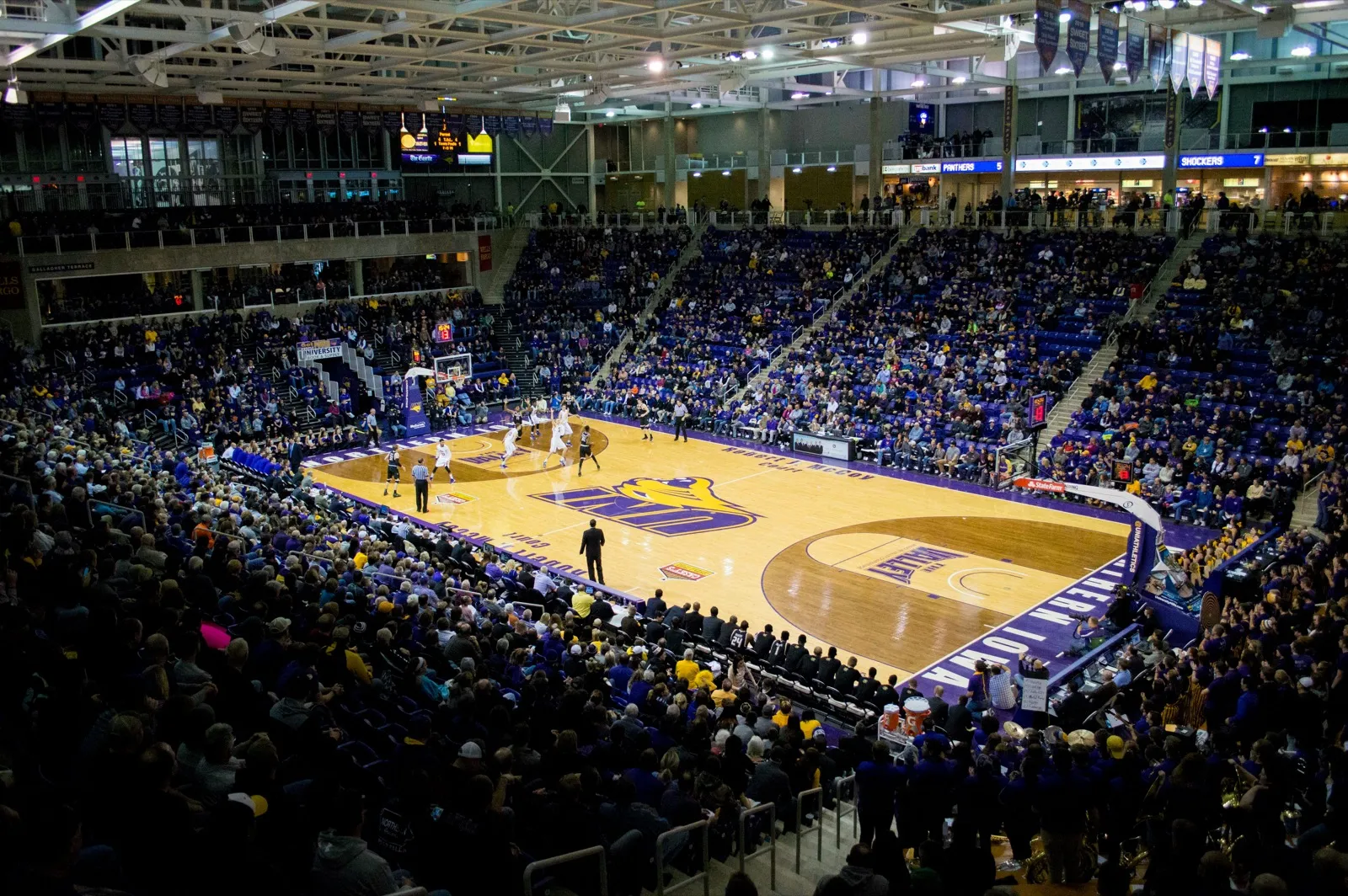
D1 high-major vs. mid-major vs. D2 vs. D3: what to expect
The basketball scholarship structure and recruiting experience vary significantly by level. Families who treat "D1" as a single category are collapsing four very different realities into one.
| Level | Scholarships | Recruiting timeline | Primary evaluation method |
|---|
| D1 High-Major | 15 roster limit (full ride) | Sophomore–junior year | AAU/travel ball, elite camps, rankings |
| D1 Mid-Major | 15 roster limit (full ride) | Junior–senior year | Travel ball, film, direct outreach |
| D2 | 10 equivalency (partial) | Junior–senior year | Travel ball, film, showcases |
| D3 | No athletic scholarships | Senior year and beyond | Film, direct outreach, campus visits |
D1 high-major programs (Power Four conferences, Big East, and similar) recruit nationally, rely heavily on ranking services, and identify most of their targets by the end of sophomore year. These programs recruit from the top AAU circuits and elite camps. If your athlete isn't on a nationally competitive travel team and receiving attention from high-major coaches by junior year, a high-major offer is unlikely — and that's not failure, it's information.
D1 mid-major programs represent the largest segment of D1 basketball and recruit differently than high-majors in important ways. Mid-major coaches scout more broadly, rely more on their own evaluations than ranking services, and are more receptive to direct outreach from families. A strong performance at a mid-major's own camp can generate genuine interest. Mid-majors operate under the same 15-player roster limit — the financial package can be identical to a high-major offer.
D2 programs operate with 10 equivalency scholarships, meaning most athletes receive partial awards. D2 basketball is competitive and well-coached, and many D2 programs pair athletic aid with academic merit aid to build strong packages. The basketball athletic scholarship breakdown covers the specific numbers families should expect at each level.
D3 programs offer no athletic money but provide genuine competitive basketball and strong academic environments. D3 coaches actively recruit and can support your athlete's admission and financial aid applications. For athletes who want to play college basketball and attend a school they couldn't otherwise afford, D3 merit and need-based aid packages can be substantial.
Men's vs. women's basketball recruiting differences
Men's and women's basketball share a sport but not a recruiting landscape. Several structural differences affect how families should approach the process.
Women's basketball recruiting moves slightly later. While elite men's prospects are identified by sophomore year, women's basketball recruiting at the high-major level typically peaks during junior year. Mid-major and D2 women's programs recruit actively through senior year. The timeline pressure is real but not as compressed as on the men's side.
The transfer portal has reshaped men's recruiting more dramatically. Men's college basketball has seen a significant shift toward portal recruiting, where coaches fill roster needs with experienced transfers rather than high school prospects. This means fewer high school roster spots at some programs, particularly mid-majors that use the portal to add immediate contributors. Women's basketball uses the portal too, but high school recruiting remains a larger share of roster building on the women's side.
Scholarship availability differs in practice. Both men's and women's D1 programs have a 15-player roster limit, and D2 programs have 10 equivalency scholarships. But women's basketball programs at all levels tend to have more roster spots available per recruiting class because the sport has fewer athletes competing for those spots relative to men's basketball. This means women's basketball prospects at every level generally face less competition for each available scholarship.
Exposure infrastructure varies. The men's AAU and travel ball circuit is larger, more commercialized, and more deeply embedded in the recruiting process. Women's travel ball is growing rapidly but the landscape is less consolidated. Women's basketball families should research which travel programs in their region have the strongest track record of placing athletes in college programs — the answer may be different from the programs with the biggest name recognition.
What basketball families should be doing right now
Regardless of where your athlete is in the process, there are concrete steps that move the needle.
If your athlete is a freshman or sophomore: Focus on development and travel ball placement. Find a travel program that competes in NCAA-certified live period events. Build a skills highlight video — not a full recruiting video yet, but footage that shows your athlete's game. Start learning which college basketball programs fit your athlete's academic and athletic profile.
If your athlete is a junior: This is the action year. Your athlete should be competing in live evaluation period events, sending film and emails directly to college coaches, and attending college camps at target programs. Understand the basketball recruiting timeline and where your athlete's target level falls on it. If you haven't started direct outreach to coaches, start now — our guide to emailing a basketball college coach covers exactly what to send and who to contact.
If your athlete is a senior: The process is not over. D1 mid-major, D2, and D3 programs actively recruit seniors through the spring. Continue sending updated film. Attend any remaining showcases or camps. Respond to every coach who reaches out, even from programs you haven't considered. Some of the best college basketball experiences happen at programs families didn't have on their original list.
The bottom line
Basketball recruiting rewards families who understand the specific machinery of the sport — the travel ball circuits, the live evaluation periods, the level-by-level differences in how coaches find and evaluate talent. The families who struggle are the ones running a generic recruiting process without accounting for what makes basketball different.
Start with the right travel program. Compete during live evaluation windows. Be honest about the level that fits. And reach out to coaches directly — basketball coaches at every level below high-major are receptive to well-crafted outreach from families who've done their homework. For a detailed walkthrough of the full timeline, the basketball recruiting timeline maps each year from freshman through senior. If you're comparing platform options before spending money, review best basketball recruiting websites. When you're ready to start contacting coaches, the guide to emailing a basketball college coach covers exactly what to include and what coaches actually read. And if you're weighing whether to navigate this process on your own or hire help, our review of NCSA for basketball gives you a clear picture of what the biggest recruiting service offers and whether it's worth the price.