The NCAA women's basketball recruiting calendar is the invisible structure that governs every interaction between college coaches and your athlete. It dictates when a coach can call your daughter, when they can show up at her AAU game, when they can invite her to campus, and when all in-person contact shuts down completely. Most families don't learn this calendar until they misread a coach's silence as disinterest — when in reality, the coach was in a dead period and legally couldn't respond the way they wanted to.
The existing basketball recruiting timeline covers the year-by-year journey from freshman through senior year. This article covers something different: the NCAA's official recruiting calendar — the contact periods, evaluation periods, quiet periods, and dead periods that dictate what coaches can and cannot do during each window of the year. Understanding these periods is how you time your outreach, plan your tournament schedule, and interpret coach behavior correctly.
Understanding NCAA recruiting calendar terminology for basketball
The NCAA uses four period types to regulate coach-recruit contact. The definitions are the same across all sports, but the dates when each period falls are specific to women's basketball.
Contact period.
Coaches can have in-person, off-campus contact with recruits and their families. They can attend AAU and grassroots events and approach athletes directly. They can make phone calls, send texts, and host campus visits. This is the most open window — coaches are actively recruiting through every available channel.
Evaluation period.
Coaches can watch athletes compete in person but cannot have off-campus, in-person contact. They attend AAU tournaments and showcases to evaluate talent, but they cannot walk up to an athlete or parent and have a recruiting conversation at the event. Phone and digital communication continues normally. This is the critical distinction most families miss: a coach sitting courtside at your daughter's AAU game who doesn't approach is likely in an evaluation period. They're watching. They're interested. They just can't say so at the venue.
Quiet period.
In-person contact is limited to the college campus only. Coaches cannot meet with recruits off campus but can host unofficial and official visits. Phone, text, email, and video calls continue without restriction. Quiet periods are ideal for campus visits because coaches are available and on campus rather than traveling to evaluate.
Dead period.
No in-person contact whatsoever — not on campus, not off campus, nowhere. Coaches cannot meet with recruits in any physical setting. Electronic and phone communication continues. Dead periods typically align with the college basketball season's most intensive stretches and academic breaks.
The D1 contact initiation rule: D1 women's basketball coaches cannot initiate phone calls, texts, or off-campus contact with recruits until June 15 after the athlete's sophomore year. Before that date, your athlete can reach out to coaches — they just can't call or text back. After June 15, the communication opens in both directions. This date is the single most important marker on the calendar for underclassmen.
The NCAA women's basketball recruiting calendar: month-by-month breakdown
The women's basketball recruiting calendar follows an annual cycle built around the college season, the AAU/grassroots circuit, and academic calendars. Specific dates shift slightly year to year (the NCAA publishes exact dates each June), but the structural rhythm is consistent and predictable.
| Month | Period type (typical) | What's happening |
|---|
| January | Quiet period (early) → Contact period (late) | College season in full swing. Coaches focused on their teams. Limited recruiting travel. January contact window opens for in-person off-campus contact briefly. |
| February | Quiet period | Conference play intensifies. Coaches travel for games, not recruiting. Communication continues — this is a strong time to send email updates and schedule spring visits. |
| March | Dead period (NCAA tournament) → Quiet period | NCAA tournament dominates. Dead period during the tournament prevents all in-person recruiting contact. Post-tournament quiet period is ideal for campus visit scheduling. |
| April | Contact/Evaluation periods | Spring evaluation window opens. Coaches attend high school state tournaments and early AAU events. Off-campus contact is permitted. This is the first major live evaluation window of the calendar year. |
| May | Quiet period | College exams and academic wrap-up. Coaches are on campus — prime time for unofficial visits. Communication continues freely. |
| June | Quiet period → Contact period (late) | College camps begin. June 15 is when D1 coaches can initiate contact with rising juniors. AAU teams prepare for July live periods. Some contact windows open late in the month. |
| July | Evaluation periods (the critical window) | AAU live evaluation periods. Three separate evaluation weekends where coaches descend on grassroots events nationwide. The single most important month on the women's basketball recruiting calendar. |
| August | Dead period → Quiet period | Brief dead period. High school open gyms and fall leagues begin. Coaches shift to campus preparation. Good time for campus visits during quiet windows. |
| September | Evaluation period (limited) → Contact period | High school fall leagues provide limited evaluation opportunities. September 1 and 9 are historically significant contact dates for different class years. College practices begin. |
| October | Quiet period → Contact period | College season approaches. Early signing period preparation. Mix of quiet and contact windows. Strong time for official visits. |
| November | Contact period → Dead period | Early signing period (NLI) opens mid-month. College season tips off. Dead period begins once the college season is underway. |
| December | Dead period | College season and academic finals. No in-person recruiting. Communication by phone and email continues. Coaches are evaluating their own rosters, not recruits. |
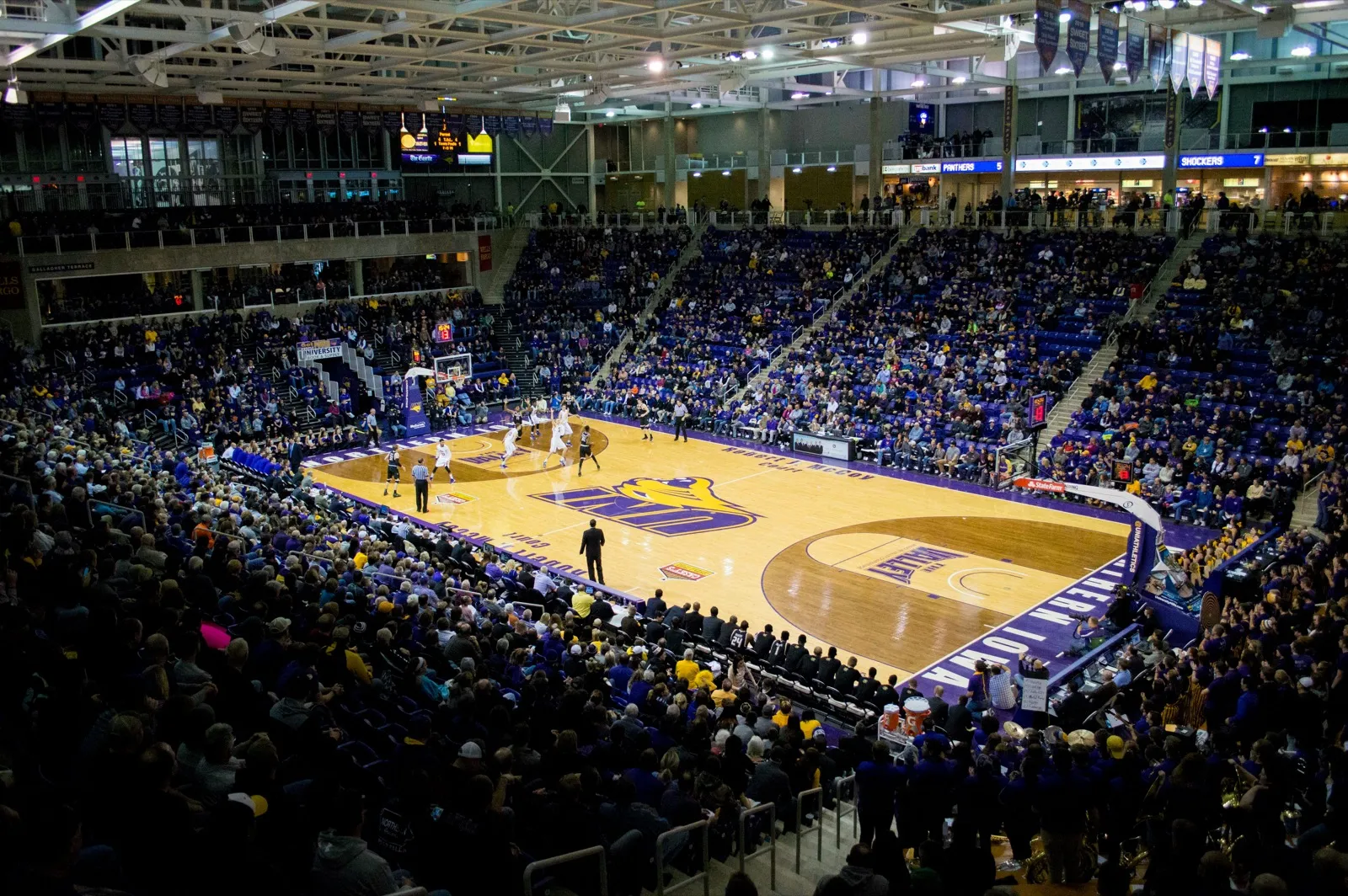
The July live periods are everything. Three evaluation weekends in July — typically around the 8th–11th, 15th–18th, and 22nd–25th — are when the majority of D1 women's basketball recruiting happens. Coaches from hundreds of programs attend AAU and grassroots events during these windows. For athletes playing on competitive AAU teams, these three weekends generate more college coaching eyes than the other 11 months combined. If your athlete is not playing AAU basketball during July live periods, they are functionally invisible to D1 recruiters.
How the recruiting calendar affects AAU and grassroots tournament schedules
The entire AAU and grassroots basketball ecosystem is built around the NCAA recruiting calendar — specifically around the July live evaluation periods. Understanding this connection explains why certain tournaments matter and others don't.
July evaluation period events are the anchor of women's basketball recruiting. Nike EYBL, Under Armour Association, and Adidas 3SSB events are scheduled during live periods specifically because that's when D1 coaches can attend. The concentration of coaching talent at these events is staggering — a single gym at an EYBL event may have 30+ D1 head coaches watching simultaneously. These events are by invitation through shoe company-sponsored club programs.
Non-sponsored AAU events during July live periods also draw significant coaching attendance. USAB sanctioned events and independent tournaments scheduled during the three live weekends attract coaches who aren't at the sponsored events. For athletes on non-EYBL/UAA/3SSB teams, these tournaments are the primary path to July evaluation exposure.
Events outside live evaluation periods have limited D1 recruiting value. An AAU tournament in June or August may be great competition, but D1 coaches cannot attend during dead periods and generally don't travel during quiet periods. D2 and D3 coaches have more calendar flexibility, so non-live-period events can still provide exposure at those levels.
High school basketball has a separate evaluation role. Fall and winter high school games fall during periods when coaches can evaluate (September evaluation periods and limited contact windows). Some D1 coaches — particularly at mid-major programs — use the high school season to evaluate prospects they identified during July. But for most D1 recruiting, the AAU circuit is the primary evaluation mechanism and the high school season is supplementary.
The practical takeaway for families: your AAU team selection matters enormously. An athlete on a strong AAU team that plays during July live periods at events with confirmed D1 coaching attendance is in the recruiting pipeline. An athlete on a team that skips July live period events — regardless of the team's competitive quality — is outside the pipeline. Ask your AAU program director which July events they attend and which coaching staffs are present.
D1 vs. D2 vs. D3 calendar differences for women's basketball
The four-period structure applies to D1 and D2. D3 operates under fundamentally different rules.
D1 women's basketball follows the full NCAA recruiting calendar with strict enforcement. The July live evaluation periods, the June 15 contact initiation date, and the dead period restrictions are all heavily regulated. Violations can result in sanctions for coaching staffs — which is why coaches are meticulous about compliance.
D2 women's basketball follows the same general calendar structure with key differences. D2 coaches can initiate contact with recruits starting June 15 after the athlete's sophomore year — the same date as D1. However, D2 programs generally have smaller recruiting budgets, which means coaches are less likely to attend every major July live period event. D2 coaches may focus on regional AAU tournaments and events within driving distance. The evaluation and contact period dates are similar but not identical to D1.
D3 women's basketball has essentially no recruiting calendar restrictions. D3 coaches can contact athletes at any time, attend any event, and have in-person conversations whenever they choose. There are no dead periods, no evaluation period limitations, and no contact initiation date. This means:
- D3 coaches can respond immediately to your athlete's email, regardless of grade level
- D3 coaches can approach families at any tournament and have recruiting conversations
- Campus visits can happen at any time of year without calendar constraints
- The urgency around July live periods doesn't apply — D3 coaches can evaluate year-round
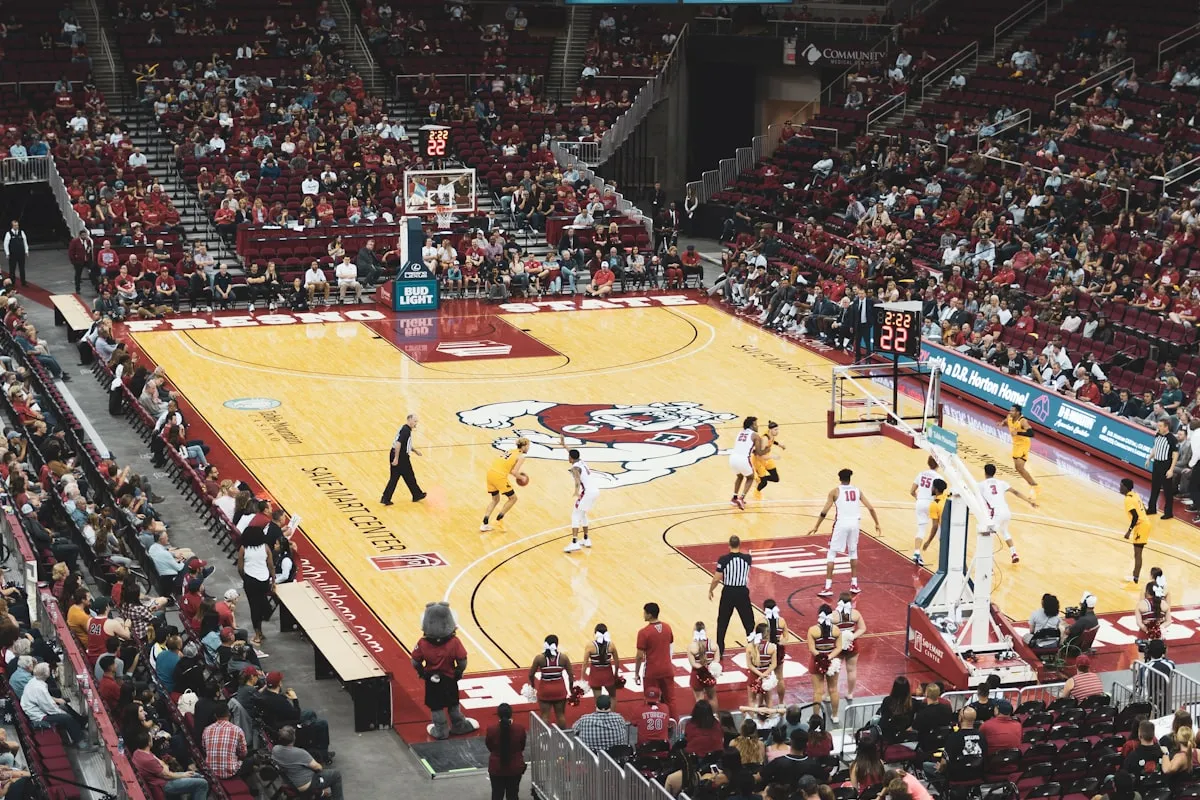
The practical implication: if your athlete is targeting a mix of D1 and D3 programs, the calendar governs the D1 side of the process while the D3 side moves at whatever pace both parties choose. Don't mistake D3 coaches' immediate responsiveness for "more interest" than a D1 coach who can't legally respond yet — you're comparing unrestricted communication to regulated communication.
How to plan your recruiting around the NCAA basketball calendar
The calendar should drive your recruiting strategy — not react to it. Here's how to use each period type to your advantage.
Before June 15 of sophomore year (for D1 targets):
Your athlete can email coaches, fill out recruiting questionnaires on program websites, and attend college camps. Coaches will read these communications — they just can't respond by phone or text. Getting into a coach's database before the contact window opens means your athlete is already on their radar when communication opens up. Send a well-crafted introductory email during this period. For exactly how to write it, see our basketball coach email guide.
During July live evaluation periods:
This is the highest-stakes window on the calendar. Ensure your athlete is playing on the strongest AAU team possible at events where target-level coaches are evaluating. Two weeks before the live periods, email every target coach: introduce your athlete, include their AAU team name, jersey number, game schedule, and gym location. Make it as easy as possible for the coach to find your athlete in a crowded gym. Follow up within 48 hours after the event.
During quiet periods (January, May, August, October):
Schedule campus visits. Quiet periods mean coaches are on campus and available for meetings rather than traveling to evaluate. May is particularly strong for visits — the college season is over, coaches have time, and the campus is active. For what to expect on campus visits, see our guide to official and unofficial visits.
During dead periods (March tournament, November–December season):
Don't go silent. Coaches still read emails and watch film during dead periods. Send academic updates, highlight videos from the high school season, and tournament schedules for upcoming live periods. Use dead periods to strengthen the relationship electronically so that when the next contact or evaluation window opens, the coach is already invested.
During contact periods (April, late June, September):
These are the windows for face-to-face interaction at tournaments, camp visits, and home visits. If a coach suggests meeting in person during a contact period, prioritize it — they're using their limited contact opportunities on athletes they're genuinely interested in.
The bottom line
The NCAA women's basketball recruiting calendar is the invisible framework that controls every interaction between coaches and recruits. Knowing when contact periods, evaluation periods, quiet periods, and dead periods fall — and understanding what coaches can and cannot do during each — is the difference between misreading silence as disinterest and recognizing it as regulatory compliance.
July live evaluation periods are the single most important window on the calendar. If your athlete isn't playing competitive AAU basketball during those three weekends, they're missing the primary evaluation mechanism for D1 recruiting. Everything else — emails, film, camps, visits — is supplementary to what happens during those July weekends.
For the full year-by-year recruiting journey that this calendar fits into, see the basketball recruiting timeline. For the financial picture — including why D1 women's basketball's 15-player roster limit make it one of the most favorable scholarship sports — the basketball athletic scholarships guide covers the math. And for what to send coaches during contact periods — the email template, film format, and measurables presentation — the basketball coach email guide covers the sport-specific details. If you're early in the process and wondering whether a recruiting service could help you navigate deadlines and outreach, here's what NCSA offers and whether it's worth the cost.