Baseball families evaluating NCSA are asking a reasonable question — but they're often asking it in the wrong frame. College baseball recruiting doesn't run through profile databases. It runs through the Perfect Game showcase circuit, travel ball organizations, and direct coach contact. Understanding where NCSA fits in that ecosystem — and where it doesn't — is the evaluation that actually matters before spending $1,500–$4,200+.
What NCSA offers baseball families (and what it doesn't)
NCSA gives every athlete a profile page that can host stats, academics, and a highlight video. The platform has a database of 40,000+ coaches across 30+ sports. Paid tiers add a "recruiting coach" (an NCSA staff member), access to workshops and webinars, and assistance reaching out to programs.
For baseball families, that breaks down as follows.
What you're actually getting: A profile that coaches can view if they visit the platform. The ability to send messages to coaches through NCSA's system. Educational content about how recruiting works generally. A dedicated staff contact who can walk you through the process.
What you're not getting: A replacement for being seen at the events where college coaches actually spend their evaluation time. Integration with the Perfect Game or PBR database, where D1 coaches research prospects. A service built around how baseball recruiting specifically works, rather than how recruiting works across 30 sports.
NCSA is a generalist platform. It was built to cover the full range of college sports, and it works better in sports — volleyball, lacrosse, swimming — where coaches browse profiles more actively as part of their recruiting workflow. Baseball is not that sport. Baseball coaches find players at events. They watch film. They talk to travel ball coaches they trust. The profile platform is a secondary check, not a primary sourcing tool.
How baseball recruiting actually works (showcases, travel ball, film)
The foundation of D1 baseball recruiting is the showcase circuit. Events like the WWBA National Championship, Perfect Game National, and Area Code Games are where D1 coaches build their boards. Coaches travel to these tournaments because the talent density justifies it — the best prospects in the country are in the same place at the same time.
Two organizations dominate the evaluation infrastructure in high school baseball: Perfect Game and Prep Baseball Report (PBR). They are separate companies — not the same system. Perfect Game runs the largest national showcase tournaments (WWBA, PG National) and maintains player profiles with metrics and rankings that D1 coaches use as a standardized research tool. PBR runs showcase-style events focused on measurables — velocity, exit velocity, sprint times — and produces scouting reports and state-level rankings. Both feed into the ecosystem D1 coaches actually use. A strong profile on either platform supports the recruiting process. An NCSA profile doesn't replace either and isn't part of the same ecosystem.
Travel ball matters for a different reason: the relationship chain. D1 coaches who trust a particular travel ball organization's judgment will hear about players from those coaches before they encounter those players anywhere else. A respected travel program that competes at national events puts athletes in front of coaches because coaches know that program and its assessments.
For D2 and D3 baseball, the dynamic shifts. These programs have smaller travel budgets and rely more on film and direct contact. A well-written cold email with a Hudl link to game film can accomplish exactly what NCSA's coach messaging system promises — at no cost beyond the time it takes to write it.
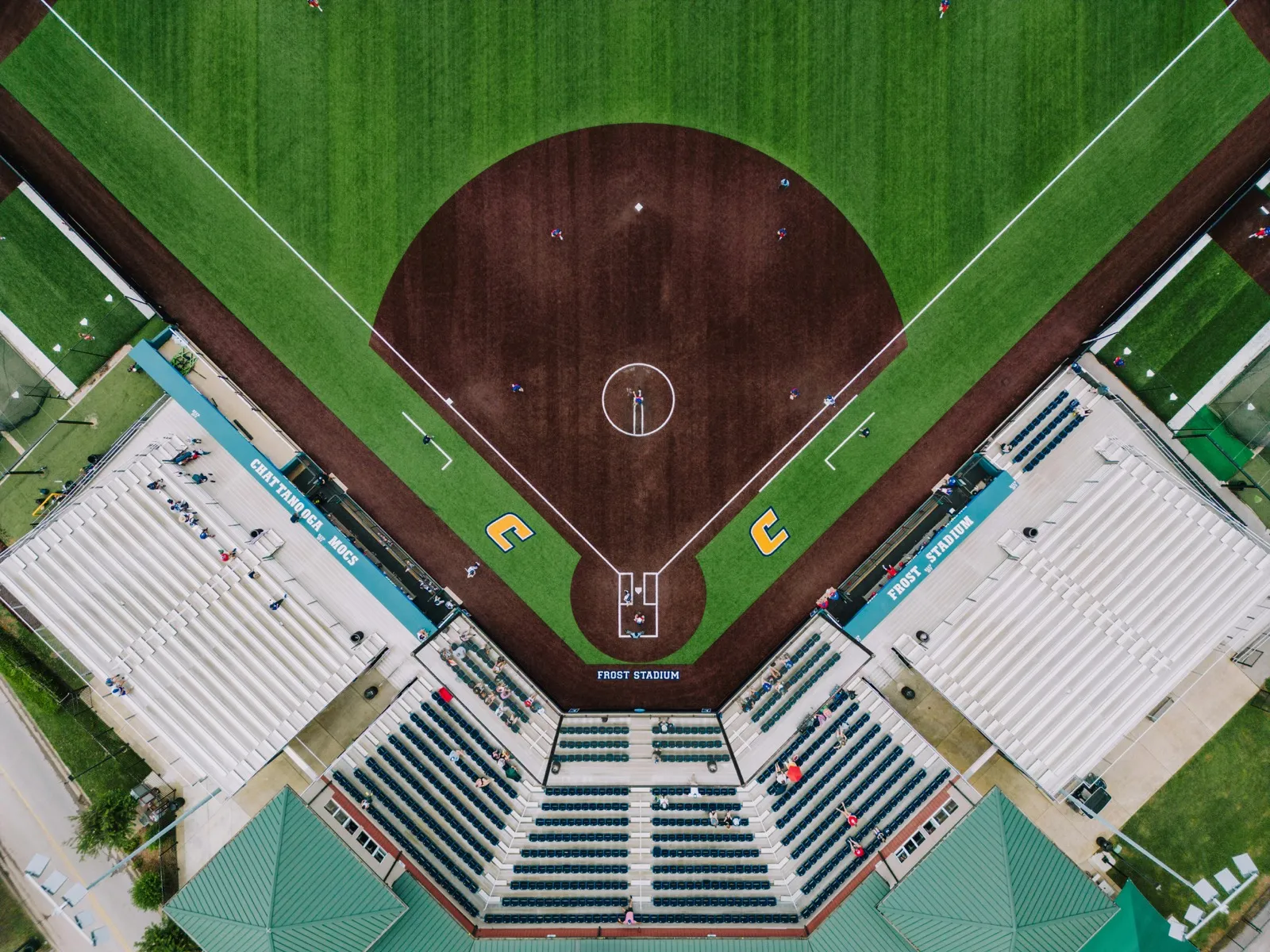
Where NCSA fits in the baseball recruiting ecosystem — and where it doesn't
NCSA fits in the baseball ecosystem in a narrow set of situations.
For families at the very beginning of the process — no understanding of recruiting timelines, division differences, or what coaches look for — the educational resources have real value. The webinars and structured guidance provide orientation that saves time if you're truly starting from zero.
For D2, D3, and NAIA programs, coaches do browse recruiting platforms, and NCSA's database is the largest available. An athlete targeting D3 programs in a specific region might benefit from having a well-maintained profile on NCSA as one component of a broader outreach effort.
That's roughly where the fit ends.
NCSA doesn't have a meaningful presence in the showcase circuit where D1 coaches operate. NCSA profiles don't feed into Perfect Game's database. NCSA's recruiting coaches are generalists, not baseball specialists — they can explain how the process works, but they can't replicate the baseball-specific knowledge a travel ball coach or a recruiting advisor with actual baseball relationships brings.
For families who've already done their research — who understand the showcase circuit, who know their athlete's realistic division target, who are ready to do direct outreach — NCSA adds little. The coach database is the most useful piece, and similar databases can be accessed for free on platforms like SportsRecruits or FieldLevel, or replicated through direct research on college athletic websites.
What baseball families get for the price vs. going the showcase route
| Factor | NCSA ($1,500–$4,200+/year) | Showcase-route approach |
|---|
| D1 coach visibility | Low — coaches recruit at events, not from databases | High — direct observation at national-level events |
| D2/D3 coach visibility | Moderate — coaches do use platforms at these levels | Moderate — reachable via cold email + film without any service |
| Baseball-specific guidance | Generalist staff, not baseball specialists | Travel ball coaches, sport-specific advisors with real relationships |
| Perfect Game/PBR integration | None | Direct — attending Perfect Game or PBR events puts metrics into the systems D1 coaches use |
| Film distribution | Hosted on NCSA profile | Hudl or YouTube link in a direct email works identically |
| Process education | Yes — webinars, workshops, recruiting coach access | Self-directed; requires time investment |
| Return on investment | Weak for families who will do the work themselves | Stronger for athletes targeting D1 — if they're at the right events |
The comparison table forces an honest reckoning with what the money is buying. For a family with a realistic D1 prospect, $1,500–$4,200+ on NCSA doesn't move the needle at all — that athlete needs to be at Perfect Game WWBA and Area Code Games, not better positioned on a profile platform. For a family with a strong D2 or D3 athlete who isn't sure how to find and contact programs, NCSA might provide useful structure, but the same result is achievable with a free profile on FieldLevel, a good Hudl highlight reel, and three hours of research into target school coaching staff contacts.
The price-to-value calculation doesn't close well for most baseball families. The full NCSA cost breakdown puts the numbers in context across package tiers.
The bottom line: is NCSA worth it for baseball families?
For most baseball families, no — and that's not a close call.
Baseball recruiting is the sport where NCSA's model is furthest from where the actual recruiting happens. D1 coaches live on the showcase circuit. The Perfect Game and PBR infrastructure is what those coaches actually use as a research tool. Travel ball coach relationships carry more weight than any profile platform. And at D2, D3, and NAIA — where a platform might add something — the same access is available for free on multiple competing platforms, or directly by emailing coaches yourself.
The families for whom NCSA might make sense in baseball are a narrow group: those with no prior knowledge of how recruiting works at all, who want a structured entry point and don't have anyone in their network who's been through the process. For that specific situation, the educational resources justify a short-term investment. Even then, the same knowledge is available at a fraction of the cost through resources like GetRecruited.
What baseball families actually need: a clear understanding of which showcase events match their athlete's realistic division target, a clean highlight film, and the willingness to send direct, personalized emails to coaches at programs that are a genuine fit. That process doesn't require a premium service. It requires understanding how baseball recruiting actually works.
For our full NCSA review across all sports — including when it does and doesn't make sense regardless of sport — see our complete NCSA review. If you're mapping out when to attend showcases and what the D1 evaluation windows actually look like, the baseball and softball college recruiting timeline covers that in full. And if you're ready to move past NCSA entirely, NCSA alternatives covers the recruiting platforms and self-guided approaches baseball families use instead.