Lacrosse recruiting moves faster than most families expect, and that speed is exactly why so many good athletes end up with avoidable misses. Parents usually discover the process through social media highlights, commitment posts, and showcase invitations, then assume the only way to keep up is to spend more and chase DI only. That is how families burn time and money.
A better frame is this: lacrosse recruiting is a fit-and-channel process. You need to know where your athlete realistically fits, which events actually matter for that level, and how to run communication around those events. When families do that, the opportunity set is much larger than the “top-programs-only” version of recruiting culture.
Overview of college lacrosse recruiting
NCAA’s projected 2024-25 sponsorship counts show why broad targeting matters. The men’s and women’s landscapes are both substantial, but they are not the same size.
| Division | Men’s programs | Women’s programs | What families should take from this |
|---|
| DI | 77 | 131 | Top visibility, but limited roster spots relative to total demand. |
| DII | 78 | 112 | Large competitive middle with real scholarship pathways. |
| DIII | 240 | 283 | Largest NCAA opportunity set for both men and women. |
| Total NCAA | 395 | 526 | Women’s college lacrosse has more total NCAA programs; both require multi-division strategy. |
If you are new to the full recruiting process, start with how college recruiting works before making sport-specific spend decisions.
Lacrosse recruiting timeline and key dates
The timeline mistake families make in lacrosse is treating official contact rules as the start of recruiting. They are not. They are the start of coach-initiated conversation windows.
Two timing anchors matter most:
- DI lacrosse: NCAA rules tie coach-initiated recruiting conversations to September 1 of junior year.
- DII lacrosse: communication flexibility is broader, with separate visit/contact windows (including June 15 before junior year for key in-person interactions).
That DI date is the sport-specific point many families miss: lacrosse follows a different communication rhythm than the generic “all sports recruit the same way” advice.
This is why experienced families start process work before they can expect direct DI coach outreach. Film quality, event selection, and athlete-led communication all begin earlier than the official “conversation” date.
A practical timeline structure for most families:
- Freshman year: build academic foundation and level calibration.
- Sophomore year: finalize target list framework and event plan.
- Junior year: highest-stakes recruiting cycle for responses, visits, and fit decisions.
- Senior year: late-cycle opportunities, package comparisons, and commitment decisions.
For full month-by-month sequencing, use the lacrosse recruiting timeline and keep the broader college recruiting timeline as your cross-sport reference.
Men’s vs. women’s lacrosse recruiting differences
Most “lacrosse recruiting advice” fails because it treats men’s and women’s recruiting as interchangeable. They are not.
Program landscape.
Women’s lacrosse currently has more NCAA programs than men’s (526 vs 395 across DI/DII/DIII in the current NCAA projection). That does not make women’s recruiting easy, but it does change list strategy and total opportunity math.
Event ecosystems.
The infrastructure is parallel but separate: IWLCA and IMLCA run distinct recruiting networks and event ecosystems. Families should evaluate events inside the right ecosystem instead of assuming one circuit covers both.
Scholarship distribution context.
Both sides remain partial-scholarship-heavy in real life, but roster structures and total program counts create different practical dynamics for list-building and offer comparison.
Geographic and fit implications.
For both men and women, geographic flexibility improves outcomes. For men especially, a narrow geography + DI-only list is often the fastest way to stall.
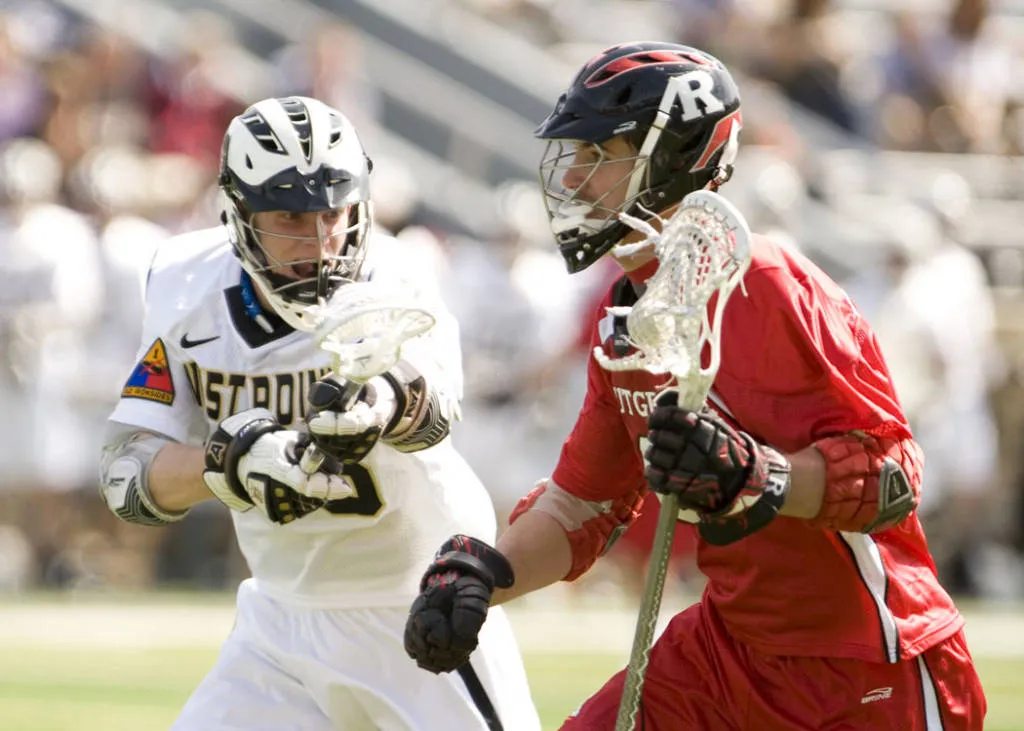
Division breakdown — D1, D2, D3, and NAIA lacrosse
Division labels should help your decisions, not drive ego choices.
DI lacrosse.
Most visible, most competitive, and most oversubscribed by families. Strong fit for some athletes, poor fit for many who still have excellent college lacrosse options.
DII lacrosse.
Large, under-targeted market with high-quality competition and meaningful aid structures. DII is often the best combination of roster opportunity and financial practicality.
DIII lacrosse.
Largest NCAA landscape for both men and women. No athletic scholarships, but strong academic/need-based aid at many schools can still produce competitive net costs.
NAIA lacrosse.
Separate governance and scholarship model. Families who ignore NAIA early often revisit it late under pressure, which is backward.
If you are currently focused on DI school discovery, use D1 colleges for lacrosse as a separate planning track.
Scholarship structure for lacrosse (headcount vs. equivalency)
Lacrosse scholarship language is where family expectations drift farthest from reality.
NCAA reporting on the House-era shift frames DI lacrosse as:
- Men: 12.6 to 48 (roster-limit model)
- Women: 12 to 38 (roster-limit model)
DII remains equivalency-based (men 10.8, women 9.9), DIII still offers no athletic scholarships, and NAIA uses its own scholarship model.
| Level | Published structure signal | What this means for families |
|---|
| NCAA DI men | Shift from 12.6 to 48 (roster-limit model) | Rules changed, but full rides are still uncommon in practice at many programs. |
| NCAA DI women | Shift from 12 to 38 (roster-limit model) | More flexibility on paper, but budget strategy still controls real package size. |
| NCAA DII men | 10.8 equivalencies | Partial awards are standard; stack aid where possible. |
| NCAA DII women | 9.9 equivalencies | Partial awards are standard; net-cost math beats headline percentages. |
| NCAA DIII | No athletic scholarships | Academic merit and need-based aid become the financial engine. |
| NAIA | Scholarship model published separately (men/women lacrosse listed at 12) | Important alternative lane families should evaluate earlier, not later. |
For full lacrosse-specific scholarship math and package interpretation, use lacrosse athletic scholarships.
How lacrosse coaches evaluate recruits
Lacrosse evaluation is layered. Coaches do not decide from one clip, one stat line, or one event.
Typical evaluation stack:
- Live event context: speed of play, decision quality, role fit against real competition.
- Film and profile review: confirmation of role-specific value and consistency.
- Communication quality: responsiveness, professionalism, and athlete ownership.
- Academic viability: admissions fit and long-term roster planning.
Role fit still drives the first cut. A coach evaluating a men’s FOGO or a women’s draw specialist is screening for a very different role profile than a general midfield prospect, even when the highlight quality looks similar.
That is why “more profile views” alone rarely means much. The better signal is repeated engagement tied to event windows and specific fit conversations.
For event-group and position expectations, use lacrosse recruiting standards.
Showcases, tournaments, and camps for lacrosse exposure
Lacrosse recruiting is showcase-concentrated. Event quality and coach density vary dramatically, so families should use named-event data, not generic marketing claims.
| Event ecosystem | Published coach-density signal | Planning implication |
|---|
| IWLCA Presidents Cup | 250+ college coaches (published annual attendance claim) | High-value women’s exposure node when aligned with your target list. |
| IWLCA Champions Cup | 270+ college coaches (published annual attendance claim) | Strong women’s recruiting concentration; prep outreach before attendance. |
| IMLCA Players Summit | 800+ coaches across levels (published claim) | Major men’s recruiting visibility environment; list discipline is critical. |
| NXT Can-Am | 97 coaches reported across DI/DII/DIII/NAIA | Useful example of level-mixed event density outside the biggest circuits. |
These attendance numbers are organizer-published signals, not independent audits. They are still useful for prioritization, but families should always verify target-program relevance before paying.
The practical rule is simple: buy events that solve your athlete’s next recruiting step. If an event has weak overlap with your target programs, it is usually a poor investment regardless of brand name.
For full event ROI criteria and red-flag screening, use are lacrosse recruiting camps worth it.
Most families do not fail because they never contact coaches. They fail because they contact without structure.
A high-functioning lacrosse communication system is:
- Targeted: list built by realistic level and role fit.
- Timed: outreach synchronized to event windows and coach travel cycles.
- Specific: direct film link, measurable context, and schedule details.
- Persistent: professional follow-up with new information, not repeated generic check-ins.
The core behavior to enforce is athlete-led direct communication. In lacrosse, coaches still evaluate live first and then cross-reference communication quality during follow-up.
One athlete perspective from the lacrosse community captures the division-fit point well: “By junior year i had a few d1 offers but i visited all my options and i picked d3 and never looked back.” That pattern is common when families evaluate fit instead of chasing label prestige only.
Parent language from lacrosse threads echoes the same idea from the family side: recruit “where she wanted to go and where she would be happy and would play.” Direct coach communication is what turns that fit process into real options.
For sport-specific templates and message structure, use how to email a lacrosse college coach.
The bottom line
Lacrosse recruiting rewards clarity, not panic. The families who execute best usually do four things well: they target multiple levels honestly, pick events with real coach-density value, keep profiles and film current, and run disciplined direct communication around the calendar.
If you are building your plan now, start with the lacrosse recruiting timeline, then calibrate money decisions with lacrosse athletic scholarships. For outreach execution, use how to email a lacrosse college coach. And if you are weighing DIY vs paid help in this sport, review the sport-specific NCSA lacrosse breakdown.