Most families searching for basketball recruiting websites are trying to answer one expensive question: what should we pay for, and what can we run ourselves? The mistake is treating every platform like it does the same job. Basketball recruiting does not run through one website. It runs through live evaluation, rankings context, and communication workflow layered on top.
Top basketball recruiting websites compared
| Website | Best use case | Cost signal | What families should know |
|---|
| Hudl | Film delivery and profile access for coach review | Usually accessed through team/school subscription | Still the core film layer in basketball workflow. If film is weak, paid profile tools will not compensate. |
| On3 / ESPN / Prep Hoops | Rankings and visibility context | Media ecosystem, not a recruiting-service purchase | Most useful at higher levels where rankings influence early board-building. |
| FieldLevel | Free profile + contact + workflow tools | Free baseline; Premium at $29/$49/$79 monthly | Basketball recruiting-intake pages are publicly visible for programs like North Florida and Case Western Reserve. |
| [SportsRecruits](/sportsrecruits-review) | Profile + messaging + roster-needs workflow | Free profile; published Pro pricing often shown as $99/month or $399/year | Strong coach-workflow tooling and platform scale, but basketball is less event-native than soccer/lacrosse use cases. |
| [NCSA Basketball](/ncsa-basketball) | Managed support, structure, and accountability | Free profile; premium packages discussed on specialist calls | Can reduce confusion for families, but does not replace event exposure quality or direct coach fit. |
| Stack Athlete / CaptainU | Secondary profile channel and organizational support | Free tier; paid plans from $22.50/month | Useful for some families as a workflow layer, but basketball-specific coach adoption evidence is thinner. |
The adoption signal is real but should be interpreted correctly. SportsRecruits' 2024 report cites 21M+ athlete views, 74K+ commitments logged, and 17K+ roster needs posted. Useful numbers, but they do not mean every basketball coach uses every platform equally.
For the broader, sport-agnostic platform breakdown, read college recruiting platforms.
Families get better results when they classify tools by function.
| Layer | Primary channels | What this layer does | Common mistake |
|---|
| Event coverage layer | EYBL, 3SSB, UAA, NCAA-certified events | Creates live evaluation opportunities where coaches can actually assess prospects | Expecting profile subscriptions to replace weak event exposure |
| Rankings/media layer | On3, ESPN, Prep Hoops | Adds context, visibility, and shorthand signaling at top levels | Treating rankings as guarantees instead of context tools |
| Profile/workflow layer | Hudl, FieldLevel, SportsRecruits, Stack | Organizes communication, film access, and follow-up cadence | Buying upgrades before confirming target-coach usage |
| Managed-service layer | NCSA and similar support models | Adds structure, planning, and accountability | Assuming managed support creates coach demand by itself |
NCAA structure reinforces this hierarchy. DI basketball recruiting calendars still define designated evaluation windows, and NCAA event certification requirements remain central for nonscholastic basketball events. That means live-event quality is not optional. Platforms support the process around that reality.
What basketball coaches at different divisions actually use
High-major DI, mid-major DI, DII, DIII, and NAIA do not use the exact same workflow. This layered pattern applies to both men's and women's basketball, though the specific event circuits differ (EYBL and 3SSB on the men's side; Nike TOC, Under Armour Next, and other circuits on the women's side). The platform and workflow logic below applies across both.
High-major DI workflows are live-evaluation heavy.
At this level, coaches and staff prioritize certified events and top competition clusters. Rankings/media context is more influential, and profile tools are typically support infrastructure after evaluation context is established.
Mid-major DI and many DII staffs are more mixed-channel.
Live evaluation still matters, but film access, fit filtering, and direct communication often carry more relative weight because resources are tighter than at high-majors.
DIII and NAIA workflows are usually more direct-response sensitive.
These programs often move quickly when athlete fit is clear and communication is strong. Profile tools help organization, but outreach discipline usually determines outcomes.
Parent/community sentiment aligns with that pattern. On a College Confidential basketball recruiting thread, one parent advised: "Email, email, email!... preferably not through a recruiting site like NCSA." Another replied: "Definitely stop using NCSA. Many coaches block emails coming from NCSA." A 2025 Reddit parent comment in an NCSA thread described the consultation as "basically a sales pitch."
Other parents reported mixed outcomes, not one-direction outcomes. In a basketball-specific Reddit thread, one parent said they skipped NCSA and focused on camps, email, and social channels. In the same broader NCSA thread, another parent reported that NCSA helped produce multiple D1 offers when executed correctly. The useful takeaway is still the same: platform choice matters less than fit, exposure context, and execution quality.
Named coach guidance points to the same execution theme. Pro Skills Basketball, a coach-run development organization, writes that "most paid recruiting services offer little actual value" and that many "send hundreds or thousands of generic emails." Dr. Micheal Jones (Pasco-Hernando State College) advises families not to mass-email multiple recruits in one message and to keep communication targeted to actual roster needs.
If your family still needs fit calibration first, use basketball recruiting standards.
The useful budget question is not "which platform is best?" It is "which bottleneck are we paying to solve?"
| Path | Typical spend | What you get | Where families misjudge it |
|---|
| Free baseline stack (film + direct outreach + free profiles) | $0 incremental platform spend in many cases | Core visibility, communication, and profile presence | Families expect passive discovery instead of consistent follow-up cadence |
| FieldLevel Premium | $29/$49/$79 monthly tiers | Added workflow and activity tools | Upgrade before confirming target-school usage patterns |
| SportsRecruits Pro | Published references often show $99/month or $399/year | Messaging, tracking, roster-needs workflow | Expecting software features to replace event and fit fundamentals |
| Stack Athlete paid tiers | From $22.50/month | Organization, messaging templates, optional counselor layers | Treating a secondary channel as a primary discovery engine |
| NCSA managed model | Premium call-gated pricing | Guided support and structure | Assuming payment creates exposure without athlete/family execution |
A practical rule: start free, prove your process, then upgrade only where paid features improve actual execution. For cross-sport context on where paid services help or hurt, read best recruiting services by sport.
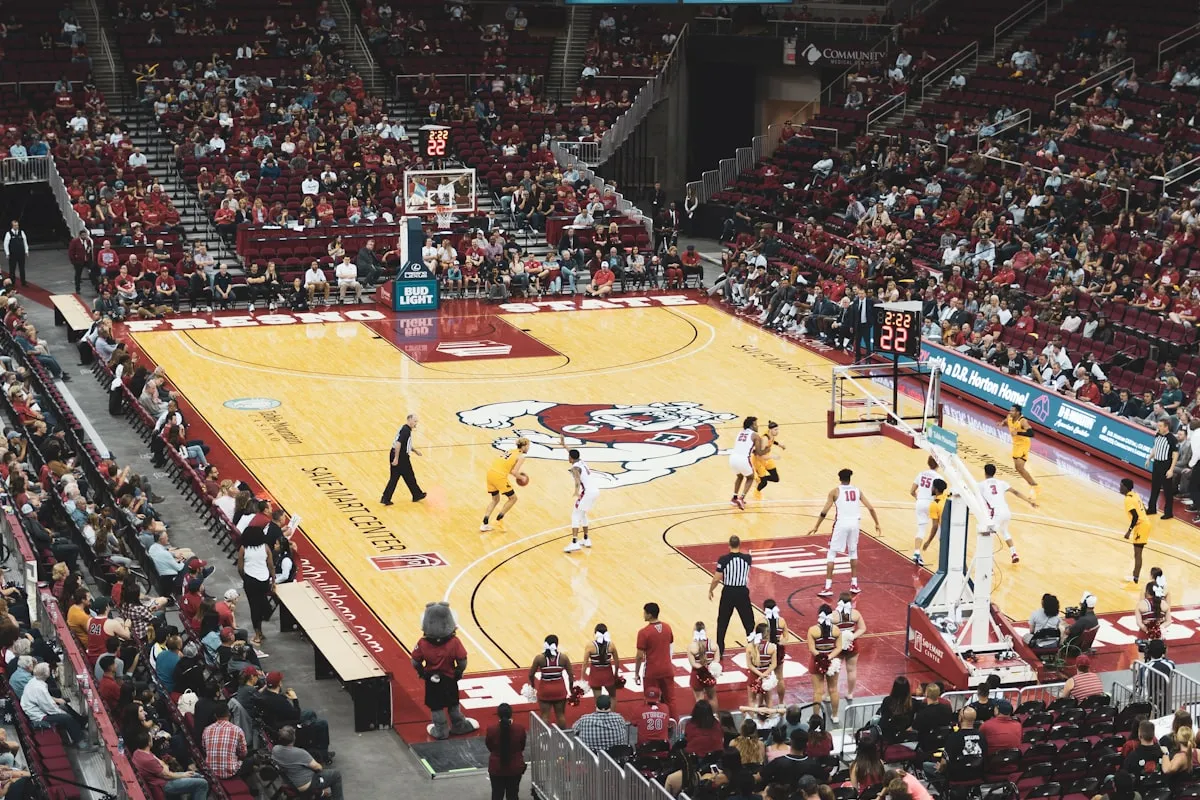
AAU and camp exposure is the engine. Online platforms are the transmission.
Live events create initial visibility.
If your athlete is not being evaluated in the right environments for their level, profile tools have little leverage. NCAA-certified event infrastructure and live-period windows are the backbone of basketball recruiting visibility.
Platforms convert exposure into workflow.
After coaches identify an athlete, platforms help with film review, roster-fit checks, follow-up tracking, and communication management. This is where profile tools can add real value.
Camps can bridge gaps when targeted well.
Camps tied to realistic target programs can improve coach familiarity and create cleaner follow-up context. Generic camps without fit alignment usually produce weaker returns.
Division reality changes the weighting.
High-major pathways are more event/rankings concentrated. Mid-major, DII, DIII, and NAIA pathways usually reward disciplined direct outreach and workflow quality more than pure brand visibility.
For a full recruiting-process view beyond platforms, use basketball college recruiting.
The bottom line
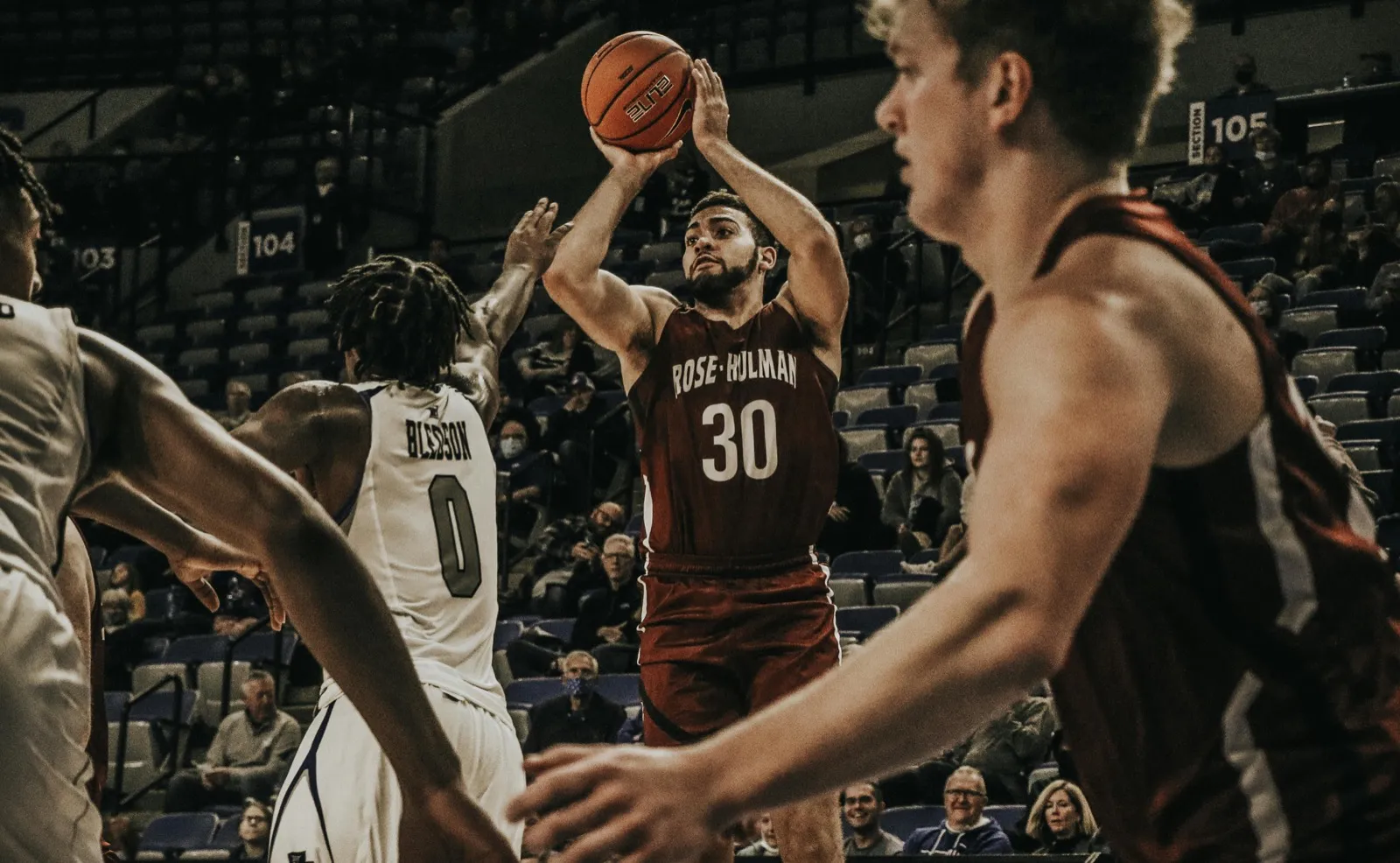
The best basketball recruiting websites are the ones that reduce friction in your real process. For most families, that means strong film delivery, targeted direct communication, and free profile infrastructure before paid upgrades. Managed services can help some families, but they do not override exposure quality, fit, and execution discipline.
If you're evaluating managed support specifically, start with NCSA basketball. If you want platform-level detail, read SportsRecruits review. If you need broader platform context, use college recruiting platforms. And if your athlete's fit range is still unclear, calibrate with basketball recruiting standards before paying for anything.