Walking on is not a fantasy path, and it is not a guaranteed one either. For many athletes, it is the most realistic way to keep competing in college. The problem is that families treat "walk-on" as one thing when it is really a school-by-school process with very different outcomes.
If your family is deciding whether this route fits your athlete, start by separating labels from reality. A label like "preferred walk-on" can sound secure. The real question is what the coach is actually offering: a roster spot, a provisional pathway, or only a tryout window.
If you need the terminology first, read preferred walk-on explained, then use this guide for execution.
Is walking on realistic for your athlete
It can be realistic, but not everywhere and not equally across divisions.
NCAA's 2025-26 division counts are useful context: Division I has 361 schools, Division II has 292, and Division III has 422. D3 is the largest NCAA footprint and does not offer athletic scholarships, which means non-scholarship roster pathways are structural, not unusual.
| Level | Walk-on realism | Scholarship context | What this means for your family |
|---|
| NCAA D1 | Possible, but usually highly competitive and role-dependent | Roster-limit era increased flexibility, but funding still varies by program | Treat every opportunity as program-specific. Ask exactly where your athlete fits on the depth chart. |
| NCAA D2 | Often viable for athletes near recruitable range | Partial/equivalency aid model | Walk-on plus later partial-aid pathway can be realistic, but never automatic. |
| NCAA D3 | Often the broadest non-scholarship participation environment | No athletic scholarships | Financial planning is merit/need-based. Focus on roster fit and admissions fit. |
| NAIA / NJCAA | Can be strong alternatives depending on sport and school | Aid rules differ by organization/division | If D1-only framing is closing doors, these pathways can reopen them. |
In D1, concrete roster math matters. Football is now capped at 105, baseball at 34, and men's/women's basketball at 15. Those numbers define opportunity ceilings, not guaranteed funded spots.
The key test is simple: is your athlete close enough to the current roster standard to survive daily training once on campus? If not, a walk-on attempt becomes an expensive guess.
How to find walk-on opportunities at your target schools
Most families start in the wrong order. They ask "does this school take walk-ons?" before asking "does this specific team run tryouts this year?"
A better sequence:
- Build a realistic school list first with target-list filtering.
- Check each athletics site for sport-specific tryout or compliance pages.
- Contact the coaching staff directly before assuming tryouts exist.
School policies show why this matters. Some programs explicitly state that teams are not required to hold open tryouts every year. So a school can have a walk-on pathway in theory and still have no open tryout in your athlete's sport during that cycle.
Timing matters too. Start walk-on outreach about 3-6 months before planned enrollment, then reconfirm process requirements 4-6 weeks before classes begin because many tryout windows sit near the start of the term.
That is why this step is about finding actual openings, not generic possibility.
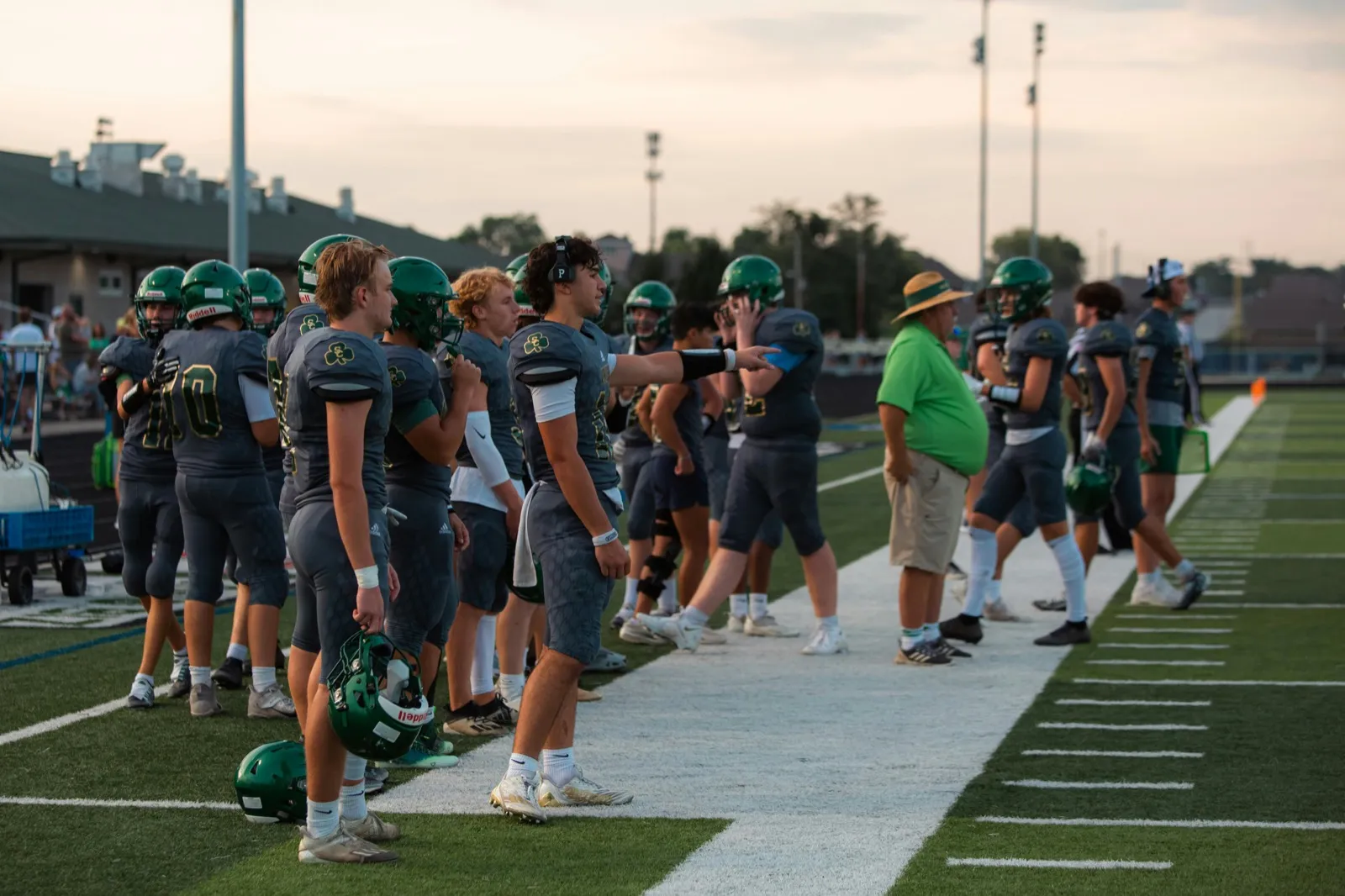
For walk-on candidates, communication quality matters even more than for fully recruited athletes. You are asking a coach to spend attention on a non-funded roster conversation. Make that easy.
Use a short, direct message that includes:
- graduation year, position/event, and measurable profile,
- one or two current performance anchors (times, stats, film markers),
- your academic snapshot,
- and your exact ask: roster evaluation, practice-player consideration, or tryout process details.
Then ask clear process questions:
- Does your program run tryouts this year?
- What are your pre-tryout requirements?
- Is this for a guaranteed roster slot, provisional roster spot, or open tryout only?
If you want the outreach structure, use how to email a college coach. For walk-on paths, the same fundamentals apply, but the specificity bar is higher because coaches are filtering quickly.
How to prepare for walk-on tryouts
The biggest mistake families make is training physically while ignoring compliance prep.
At many schools, athletes cannot participate at all without pre-clearance documentation. Common requirements include:
- recent physician physical,
- sickle-cell documentation,
- proof of insurance,
- signed medical/liability forms,
- and compliance-office clearance before the tryout date.
So preparation has two tracks:
Performance prep.
You need position-specific readiness to survive the pace and physical standard of existing roster players.
Administrative prep.
You need every compliance requirement complete before the window opens.
If you miss the second track, you can be in peak shape and still not step on the field/court/track.
Example (football):
An athlete emails in July, gets conditional interest, but waits until move-in week to start paperwork. The team already finalized early-term evaluation windows and compliance files, so the athlete cannot participate in the first tryout opportunity.
Example (track/cross country):
An athlete has competitive marks but no clear event-fit communication. Coaches may pass because roster needs are event-specific, even when overall fitness is strong.
What to expect as a walk-on (practice, playing time, roster status)
Walking on is often less about "making the team" and more about "earning stability over time."
Expect these realities:
- making the initial roster is not the same as traveling,
- traveling is not the same as getting minutes,
- and getting minutes is not the same as long-term roster security.
- and being in a practice-player/development role is not the same as being in the primary competition group.
Community experience reflects this range clearly:
"Yes it’s likely, no it’s not guaranteed."
Source: r/AdvancedRunning
"if you walk on the team there’s no guarantee you’ll travel"
Source: r/trackandfield
At the same time, some athletes report full day-to-day integration once they are on roster:
"I’m treated the same as scholarship athletes..."
Source: r/trackandfield
That combination is the truth of the walk-on path: inclusion in team culture can be real, while role security remains conditional.

Can walk-ons earn scholarships
Sometimes, yes. Never assume it.
Scholarship conversion depends on:
- roster attrition and positional need,
- performance trajectory,
- coaching priorities,
- and program budget at that school.
Division context matters:
- D1: rules allow broad aid flexibility, but funding is still school-dependent.
- D2: partial-aid allocation is built into the model.
- D3: no athletic scholarship conversion exists by rule.
So the right decision standard is: would you still choose this program if athletic aid never arrives? If the answer is no, the walk-on path is financially risky.
The bottom line
Walking on works best for athletes and families who handle it like a structured recruiting path, not an emotional backup plan. That means realistic school targeting, direct coach communication, compliance readiness, and clear expectations about role progression.
If you are choosing between labels, read preferred walk-on explained. If you need help with outreach quality, use how to email a college coach. If you are still deciding where your athlete fits by level, use D1 vs D2 vs D3 differences. And if your family is considering paid recruiting help while evaluating walk-on options, review is NCSA worth it before committing money.